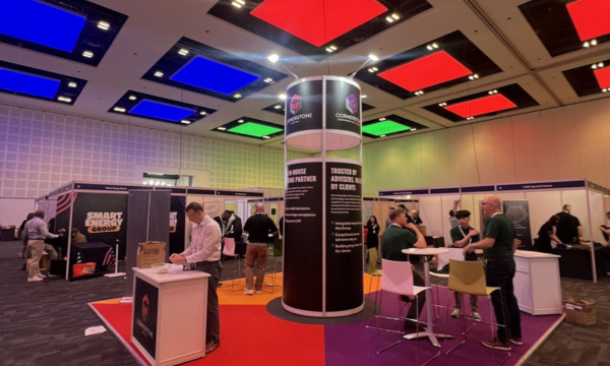
Cornerstone Expo 2026 – Panel Discussion, 19 March
At Cornerstone Expo 2026, a panel of lenders, brokers, legal experts, valuers, insurers and a real‑life borrower came together to demystify unregulated bridging finance.
The session was led by Tony Gilbertson , Co‑Founder and CEO of Signature Property Finance, and brought together professionals representing each critical stage of a bridging transaction.
The panel included contributions from:
- Tim Grant, Castlebridge Risk Solutions
- Loui O’Brien, Cornerstone Commercial Finance
- Josh Barrett, Signature Property Finance
- Rhodri O’Reilly , Signature Property Finance
- Laurence Weekley CFE, ACFS, Wolverine Lettings Ltd
- Kelly Davies, HCR Law
- Matt Mason, Certus Property Consultants
The discussion delivered practical, transaction‑led insight into how unregulated bridging loans work in real scenarios, when they are appropriate, and why collaboration across all parties is critical to successful outcomes.
Here are the core takeaways from the discussion.
1. Unregulated Bridging Is About Commercial Intent, Not Complexity
The panel reinforced a simple definition:
- Regulated lending applies when the borrower lives in the property
- Unregulated bridging applies when the purpose is to make a profit — through investment, refurbishment, development, or resale
Despite common myths, unregulated bridging was positioned as less complex than regulated residential mortgages, provided advisers understand the fundamentals and structure deals correctly from the outset.
2. Speed Is the Value Proposition – and the Cost Justification
Bridging finance is not “expensive money” by default; rather, borrowers pay a premium for:
- Speed of completion (often 21–28 days for auctions)
- Certainty of delivery
- Flexibility around property condition and works
The panel highlighted opportunity cost: paying a modest bridging premium can unlock significantly higher profit by enabling quick action on discounted or unmortgageable assets.
3. The Exit Strategy Is Non‑Negotiable
Across the lender, broker, valuer and legal perspectives, one message was consistent:
A bridging loan is only as strong as its exit strategy.
Whether the exit is a sale or refinance, it must be:
- Realistic
- Evidenced
- Time‑appropriate
Valuers stressed that loan terms must align with both the build programme and local market liquidity, while brokers highlighted the importance of contingency planning if the primary exit fails.
4. Collaboration Drives Speed and Reduces Risk
The panel demonstrated how early and transparent collaboration between all parties reduces delays and costs:
- Dual legal representation shaved time and expense on auction purchases
- Parallel valuation and legal instruction enabled faster completion
- Early insurance involvement prevented last‑minute drawdown delays
The takeaway: bridging success is a team sport, not a linear hand‑off process.
5. Valuations Are About Viability, Not Optimism
Valuations were positioned as a protective tool, not an obstacle. Key points included:
- Assessing whether works costs are realistic
- Stress‑testing exit timelines
- Ensuring values support refinance if required
The panel warned against relying solely on optimistic end values, stressing that accurate valuations protect both lender and borrower from costly overruns or failed exits.
6. Insurance Should Start Early – Not on Completion Day
Insurance was highlighted as one of the most common causes of delayed completions. The panel emphasised:
- Early engagement with specialist brokers
- Ensuring lender interests are correctly noted
- Obtaining cover that reflects property condition, occupancy and loan term
Incorrect or inadequate insurance was stressed as one of the greatest risks after completion, particularly in refurbishment scenarios.
7. Bridging Loans Are Not Just for Large Transactions
The session challenged the assumption that bridging is only for six‑figure loans. Examples showed:
- Smaller “vanilla” bridging deals
- Use of desktop valuations for straightforward cases
- Repeat borrowers scaling portfolios through speed and certainty
For advisers new to unregulated lending, these simpler deals were positioned as an ideal entry point.
8. Transparency at the Start Prevents Costly Delays Later
From legal source‑of‑funds checks to full disclosure of property or credit issues, the panel stressed:
Tell us everything early – “warts and all.”
Late revelations were cited as a leading cause of missed auction deadlines, additional fees, and avoidable borrower cost.
Final Thought
The panel concluded that unregulated bridging is no longer a niche or “last‑resort” product. It is a mainstream, strategic finance tool for property investors – provided it is used correctly, structured responsibly, and supported by aligned professionals.
For advisers willing to engage with the process, the unregulated space offers significant opportunity – for clients, lenders and brokers alike.